

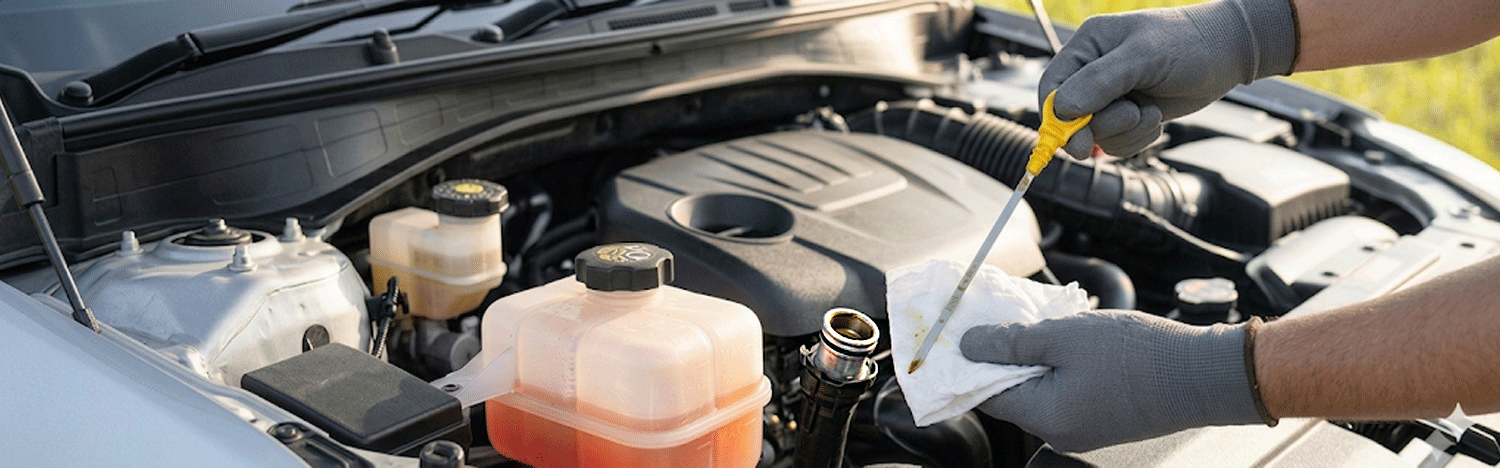
When southwestern summer temperatures climb and heatwaves grow increasingly severe, taking care of your vehicle becomes an absolute safety essential. Intense environmental heat accelerates the deterioration of critical components, causes essential fluids to evaporate, and exerts tremendous pressure on systems not engineered for such extreme Arizona conditions. Disregarding this vital seasonal transition significantly multiplies the probability of sudden mechanical failure, system breakdown, and hazardous tire degradation on heat-soaked desert pavement. Outfitting your vehicle to address these environmental challenges requires a proactive, preventive approach.
Combating Extreme Heat and Heat Damage Protection
- Battery Check: High summer temperatures accelerate the degradation of internal battery components and increase fluid loss. Secure an expert diagnostic evaluation to guarantee maximum cranking capability and prevent unexpected roadside failures.
- Belts and Hoses: Extended exposure to extreme heat can cause rubber drive belts and radiator hoses to become brittle, crack, or stretch, leading to unexpected failures of the charging or cooling systems.
- Air Conditioning Check: Test your climate control system early to identify any underlying refrigerant leaks or weak airflow, so you can bypass lengthy service queues when summer arrives in full force.
- Thermal Shielding: Cabin interiors can easily exceed normal operational comfort thresholds on milder afternoons. Utilizing high-quality sunshades protects sophisticated dashboard instrumentation and fine interior upholstery from damaging ultraviolet radiation.
Tire Safety and Summer Performance Metrics
- Cold Inflation Calibration: Check your tire pressure using a reliable diagnostic gauge while the tires are completely "cold"—meaning the vehicle has been parked for at least 3 hours or driven less than 1 mile.
- PSI Adherence: Strictly follow the vehicle manufacturer’s recommended pressure, as specified on the driver-side door jamb label or in the owner's manual, rather than matching the maximum pressure rating printed on the tire sidewall.
- Structural Inspections: Routinely monitor your tires for heat-induced faults, such as structural sidewall cracking, irregular tread wear, punctures, or dangerous air bubbles.
- Load and Tire Alignment: Driving at high speeds or hauling heavy cargo can put extra strain on tire compounds in hot weather. Investing in a professional wheel alignment helps ensure even wear and maximizes passenger safety.
Maximizing Fluid Health and Cooling System Integrity
- Cooling System Optimization: Ensure your vehicle's radiator, water pump, and thermostat function flawlessly. Always use premium engine coolant engineered with an elevated boiling point to help suppress overheating.
- Fluid Level Audits: Verify that all essential under-hood fluids—including motor oil, brake fluid, and transmission fluid—are free of contaminants and maintained at correct operating capacities.
- Visibility Refresh: Swap out weathered wiper blades to ensure excellent forward visibility during sudden summer downpours, and keep the windshield washer fluid reservoir fully topped off.
- Rust Prevention: Give your vehicle's underbody a meticulous cleaning to wash away residual road salt, sand, and winter grime. Touch up any minor paint imperfections immediately to prevent ambient humidity and intense heat from generating rust.
Schedule Your Seasonal Service
Do not allow extreme seasonal temperatures to disrupt your travel plans. Arrange a comprehensive vehicle health check at the Showcase Honda Service Center today. Stay ahead of the summer service peak and verify that your vehicle is fully prepared for the demanding season ahead. Please contact us today for additional information.
